
Private label disposable face towels are dry, single-use nonwoven face towels (also sold as facial towels or facial cleansing cloths) that a manufacturer produces and your brand sells under its own name. At Graminton, a Taiwan manufacturer, a private label line starts from one of eight base towels already sold under its Gbuuty retail line and NIKITA professional line: spunlace squares and patterned facial cloths, plus airlaid long towels. Your brand sets the sheet size and the pieces per pack, prints its own packaging, approves a pre-production sample, and then moves into production.
This guide is written for brand owners, retailers and e-commerce sellers building their own label, salon groups, and distribution businesses. It covers why shoppers move to the category, which base towels are available, what changes in a private label project, and how a project runs from the first sample to production.
Why Do Shoppers Switch from Washcloths to Disposable Face Towels?
For a brand, the washcloth question is the reason this category keeps growing. A shopper who moves from a cotton washcloth to a disposable face towel is changing a daily habit, and each point below is something your packaging and product listing can speak to.
- A fresh towel every wash. The routine becomes simple: take one dry towel, use it once, and discard it, with no damp towel left waiting for the laundry. The hygiene comparison itself is covered in the FAQ in our disposable face towels guide.
- One product, dry or wet. Every base towel in this guide is specified for dry or wet use, so one pack covers drying the face after cleansing and cleansing with water. The Gbuuty towels are also specified for makeup removal.
- Texture you can see on the shelf. Plain, reticulated, and three patterned styles (astronomical, rhombus, and knitted texture) give a line visible variety, so a range can be merchandised by style, not by count alone.
- Repeat purchase built in. At one towel a day, a 180-piece pack lasts about six months and a 50- to 70-piece patterned pack about two months, which makes face towels a consumable that shoppers come back for.
Washcloths still win on reuse, so a disposable line sells on convenience and a fresh towel every time. Keep the pack copy to what the base towel’s specification and test reports support.
Which Base Towels Can Carry Your Private Label?
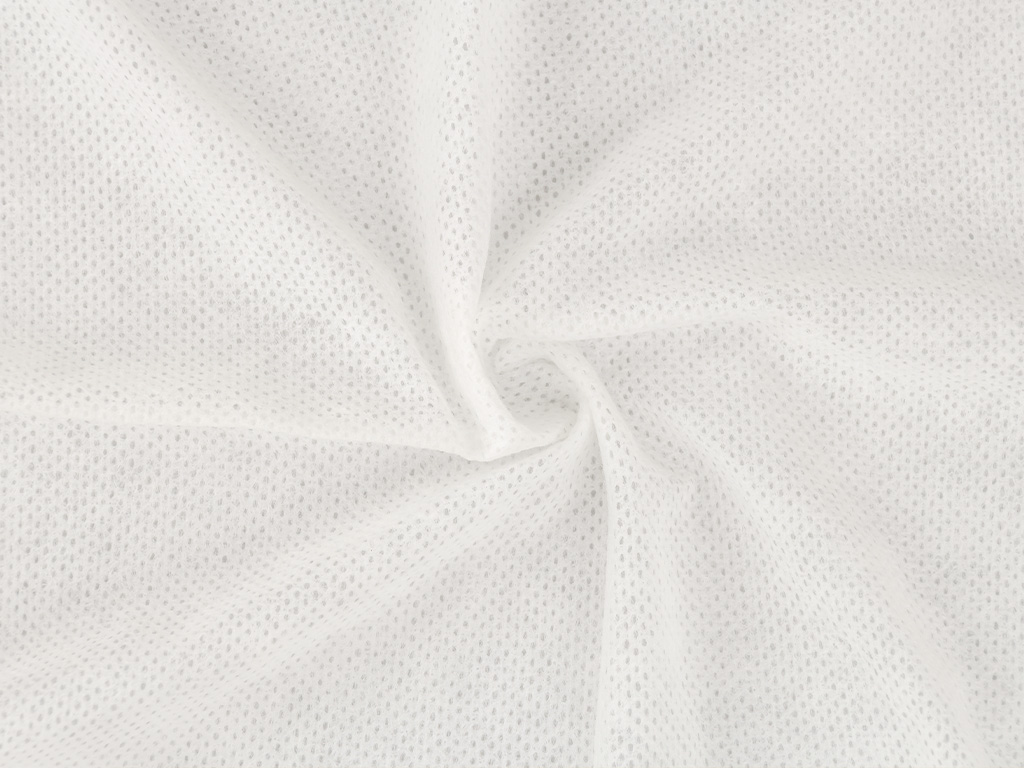
The eight base towels below are the same items Graminton sells under Gbuuty, its at-home salon care line, and NIKITA, its professional beauty consumables line. All eight are made in Taiwan, and a private label project starts by choosing one or more of them.
| Base towel | Line today | Size | Pack today | Material | Web |
|---|---|---|---|---|---|
| BU8109 cotton-soft tissues | Gbuuty | 20 × 20 cm | 180 pcs/pack, 40 packs/carton | Rayon, polyester | Spunlace |
| NK9101 plain face towel | NIKITA | 20 × 20 cm | 180 pcs/pack, 40 packs/carton | Viscose/rayon, polyester | Spunlace |
| NK9102 reticulated face towel | NIKITA | 20 × 20 cm | 200 pcs/pack, 40 packs/carton | Viscose/rayon, polyester | Spunlace |
| BU8106 astronomical pattern facial cloths | Gbuuty | 17.5 × 20 cm | 70 pcs/pack | Plant fiber, polyester fiber | Spunlace |
| BU8107 rhombus pattern facial cloths | Gbuuty | 17.5 × 20 cm | 50 pcs/pack | Plant fiber, polyester fiber | Spunlace |
| BU8108 knitted texture facial cloths | Gbuuty | 17.5 × 20 cm | 70 pcs/pack | Plant fiber, polyester fiber | Spunlace |
| NK8201 thick long face towel | NIKITA | 30 × 65 cm | 50 pcs/pack, 12 packs/carton | Wood pulp fiber, polyester | Airlaid |
| NK8202 soft long face towel | NIKITA | 30 × 60 cm | 100 pcs/pack, 10 packs/carton | Viscose/rayon, polyester | Airlaid |
All eight have SGS test reports for formaldehyde, heavy metals, E. coli, and migrating fluorescent agents, and BU8109 also has a skin irritation test report. The three patterned Gbuuty cloths, BU8106 to BU8108, are also specified for a second use as a wiper.
Choosing by channel usually narrows the list quickly:
- Daily-use retail and e-commerce: the 20 × 20 cm squares (BU8109, NK9101, NK9102), where 180- to 200-piece packs keep the cost per use low.
- Gift, trial, and texture-led retail: the 17.5 × 20 cm patterned cloths (BU8106, BU8107, BU8108) in 50- to 70-piece packs.
- Salons, spas, and larger-format use: the NK8201 and NK8202 long towels at 30 × 65 cm and 30 × 60 cm.
What Can You Customize on Private Label Disposable Face Towels?
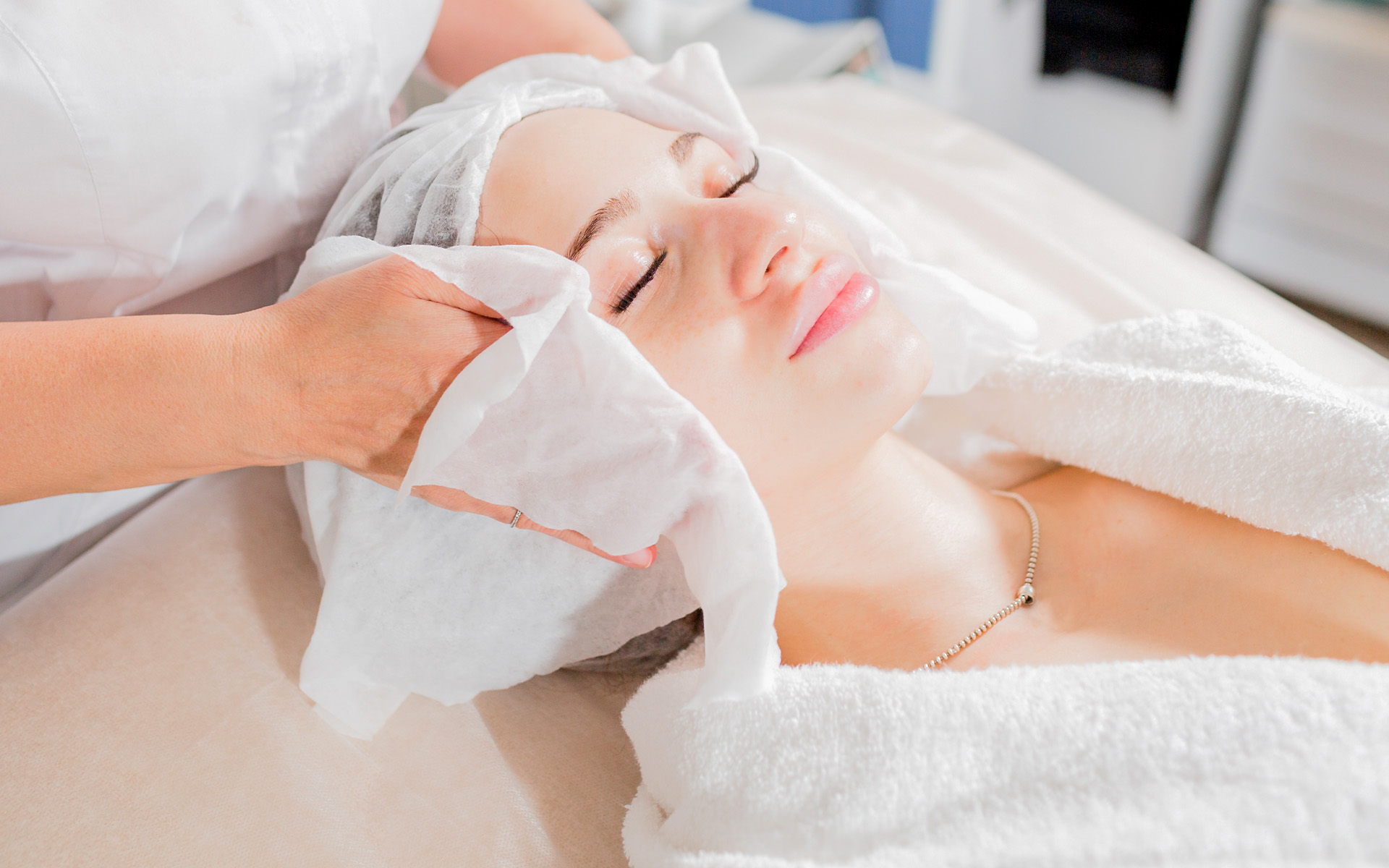
For custom facial towels built on a base towel, three things change:
- Private label packaging print. Your brand name, design, and pack copy are printed on the packaging.
- Pieces per pack. The count is set to suit your channel and price point; current packs run from 50 to 200 pieces.
- Sheet size. The size is adjusted to your line; current sizes are 17.5 × 20 cm, 20 × 20 cm, 30 × 60 cm, and 30 × 65 cm.
The fiber blend, the web construction (spunlace or airlaid), and the surface pattern come with the base towel you choose, which is why a project starts with choosing the base.
For the pack copy, Graminton supplies the product facts that come from the base towel’s specification: size and pieces per pack, fiber content, dry or wet use, the do-not-flush note, and Made in Taiwan. Fiber content is stated as specified. For example, the name of BU8109 describes its soft hand feel, while its fibers are rayon and polyester. Labeling requirements vary by market and jurisdiction, so check the rules that apply where you sell.
Brands building a full facial-cleansing range often add cosmetic cotton pads alongside the face towels.
How Does a Private Label Face Towel Project Run?
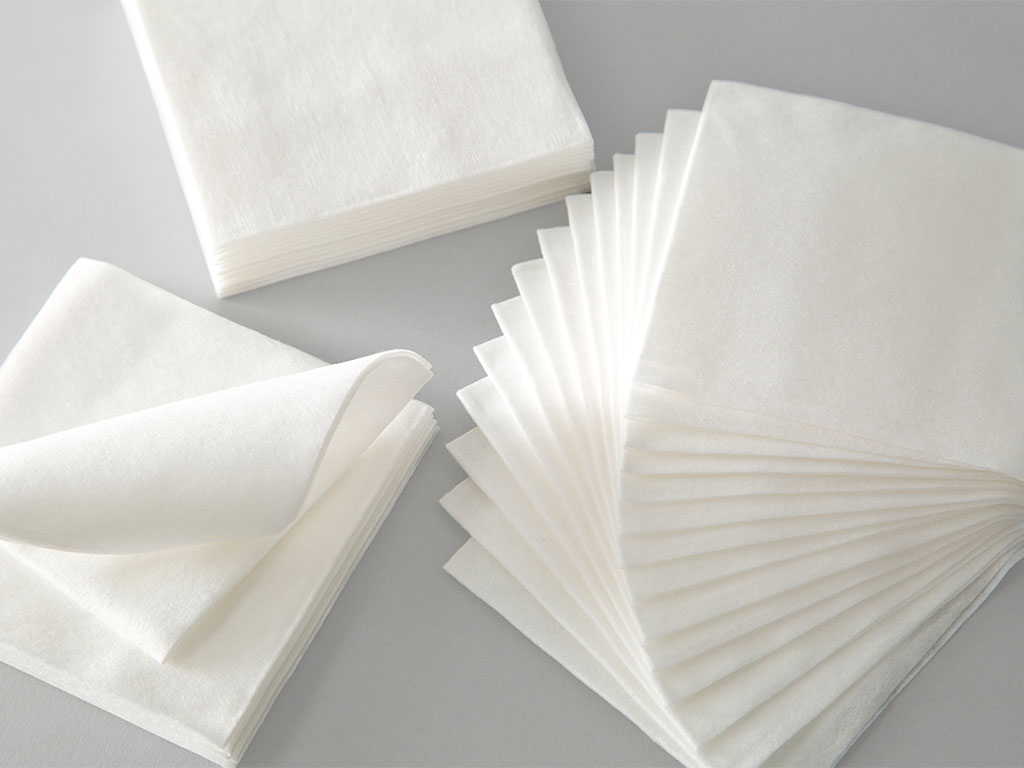
Most projects follow the same five stages, and each stage ends with a decision on your side.
| Stage | What happens | What your brand decides |
|---|---|---|
| 1. Choose the base towel | Samples of the base towels are sent so your team can try them dry and wet | Which base towels to use and how many versions to launch |
| 2. Set the spec | Size and pieces per pack are confirmed, and the quote is based on that spec: carton configuration, price, minimums per version, and an estimated lead time | Size, count, and target volume |
| 3. Print the packaging | Your team supplies the artwork, and Graminton supplies the product facts for the pack copy | Design and the label content for your market |
| 4. Sample and approve | A pre-production sample at the confirmed size and count, plus a printed packaging proof, is checked before production | Sign-off on the sample and the proof |
| 5. Produce and ship | Production and packing, then shipment on the agreed terms | Delivery schedule and import arrangements |
Two habits keep a launch on schedule:
- Lock size, count, and artwork together. Changing any of them after the sample reopens the packaging approval.
- Start with fewer versions. Each size, count, or design version carries its own minimum, so a focused first order keeps the entry point lower.
Lead time is estimated with the quote for your configuration. What usually sets the schedule is artwork approval and packaging print rather than the towels themselves, because the base towels are existing catalog items.
FAQ
Can I customize disposable face towels for my brand?
Yes. Eight base towels can carry your private label: BU8106, BU8107, BU8108, and BU8109 from the Gbuuty line, and NK9101, NK9102, NK8201, and NK8202 from the NIKITA line. Private label covers the packaging print, the pieces per pack, and the sheet size, while the fiber, the web construction, and the surface pattern come with the base towel. Other towels in the catalog are confirmed item by item.
What is the MOQ for private label disposable face towels?
There is no single figure. Printed packaging usually sets the floor, and each size, count, or design version is quoted with its own minimum, so a first order with fewer versions has a lower entry point. The minimum is confirmed in the quote once the spec is set.
How long does production take for private label face towels?
Most of the time goes into artwork approval and packaging print, since the base towels are existing catalog items. Lead time is estimated with the quote and fixed once the printed proof and the pre-production sample are approved.
What is the difference between spunlace and airlaid face towels?
Both are nonwovens, and the difference is how the web is formed. Spunlace entangles fibers with high-pressure water jets, as explained in how spunlace nonwoven is made; the 20 × 20 cm squares and the 17.5 × 20 cm patterned cloths in this guide are spunlace. Airlaid lays the fibers into a web with air and bonds it with hot air, as outlined for airlaid nonwovens in our fabric types guide; the NK8201 and NK8202 long towels are airlaid. The construction comes with the base towel, so it is decided at the first step.
What testing do the base towels carry?
All eight have SGS test reports for formaldehyde, heavy metals, E. coli, and migrating fluorescent agents, and BU8109 also has a skin irritation test report. The report for the exact SKU is available on request, and the specification for every base towel includes a do-not-flush note.
Planning a face towel line for retail, e-commerce, salons, or a distribution business? Tell us your channel, the base towel you have in mind, your target size and pieces per pack, and your monthly volume. We’ll send samples, the SGS reports for that towel, and a private label quote.