
Coolant filter paper is a disposable roll of filter media that lies on the mesh belt of a paper bed filter. It catches metal chips, grinding fines and sludge from the coolant on CNC, grinding and polishing machines, so clean fluid goes back to the machine. It is also called grinding filter paper, filter fleece or paper bed filter media. Choosing it comes down to three things: a density that suits your contaminants, a width that covers the filter bed, and a monthly roll count worked out from how your filter indexes.
This guide takes those three in turn, then covers the signs that tell you to change the paper or move to another density.
What Is Coolant Filter Paper, and How Does a Paper Bed Filter Use It?
On most paper bed filters, the paper is laid over a moving mesh belt. Dirty coolant flows onto the paper, passes through it, and drains into the clean tank below. As solids build up on the paper, the liquid level above it rises. A float or level switch then triggers an index: the belt moves a length of fresh paper into place, and the used paper carries the sludge into a collection bin. Smaller tanks without automatic indexing use a sheet that is changed by hand. Check your machine manual for how your unit works.
That is why paper use depends on three things: the length of each index, how often the filter indexes, and how many days the machine runs each month. How often it indexes depends in turn on the amount of solids, the density of the paper and the coolant flow.
Many systems put a magnetic separator or settling tank ahead of the paper. These take out most ferrous chips first. Aluminum and copper chips and abrasive dust from grinding wheels are not magnetic, so the paper still has to catch them.
This guide covers disposable roll paper only. Washable filter cloths, bag filters and cartridges are different media.
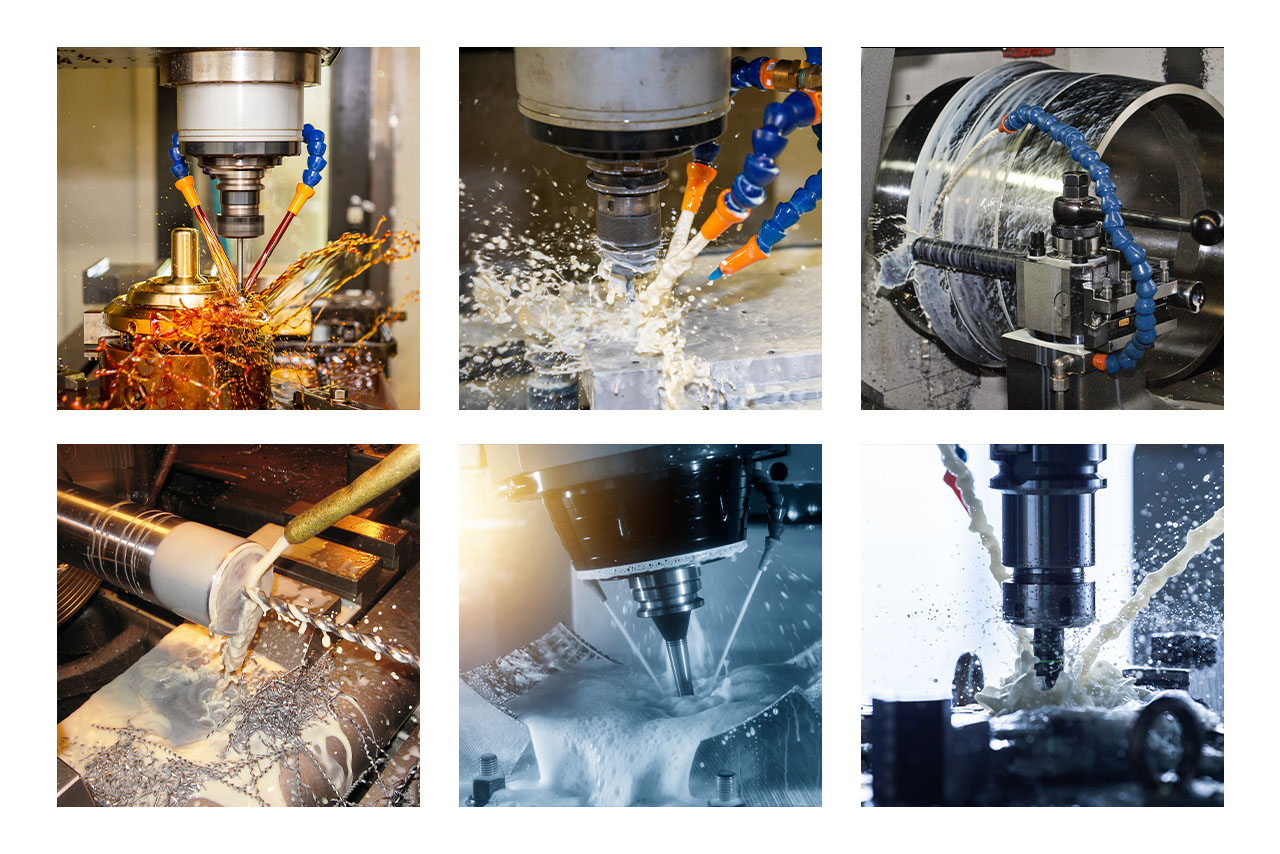
How Do You Choose a Filter Paper Density for CNC, Grinding and Polishing?
Density is a balance between catching fine particles and letting coolant through. A denser paper stops finer particles, but it also slows the flow, loads up faster and makes the filter index more often. The finest paper is not automatically the right one. Start with the conditions at the machine.
| Condition | What to check | How it steers the choice |
|---|---|---|
| Process | CNC turning and milling, grinding, or polishing | Grinding and polishing produce finer particles than turning and milling |
| Fluid type | Water-soluble coolant or straight cutting oil | Oil is more viscous and passes more slowly, so very dense paper can choke the flow |
| Contaminant type | Chips, fine iron dust, grinding fines, sludge | Fine dust and sludge call for more capture |
| Particle size | Coarse or fine | The finer the particles, the denser the paper, as long as the flow keeps up |
| Flow rate | Fluid volume through the filter | High flow favors a more open paper |
The table below gives a common starting point for each process. Confirm it on your own machine by logging index frequency and return-fluid clarity for one to two weeks.
| Process | Typical contaminants | What matters | Starting point |
|---|---|---|---|
| CNC turning and milling | Chips and fine iron particles | Balance capture with flow | LF025 or LF035 |
| Surface and cylindrical grinding | Metal fines, abrasive dust, fine particles | Catch fines without loading too fast | LF035 or LF050 |
| Polishing and lapping | Fine dust, residue, sludge | Match the fineness of the dust | LF035 or LF050 |
| Straight cutting oil systems | Fines in a viscous fluid | Avoid paper that is too dense | Start with LF025 or LF035 |
LICK coolant filter paper comes in three densities:
| Grade | Pore density | Filtration grade (scale of 1–7) | Best for | Widths and packing |
|---|---|---|---|---|
| LF025 coolant filter paper | Basic | 5 | Larger particles | 50 cm × 6 rolls, 70 cm × 4 rolls, 100 cm × 2 rolls per carton |
| LF035 | Medium | 6 | Most metalworking contaminants | 50 cm × 6 rolls, 70 cm × 4 rolls, 100 cm × 2 rolls per carton |
| LF050 high-density filter paper | High | 7 | Fine suspended particles | 50 cm × 6 rolls, 100 cm × 2 rolls per carton |
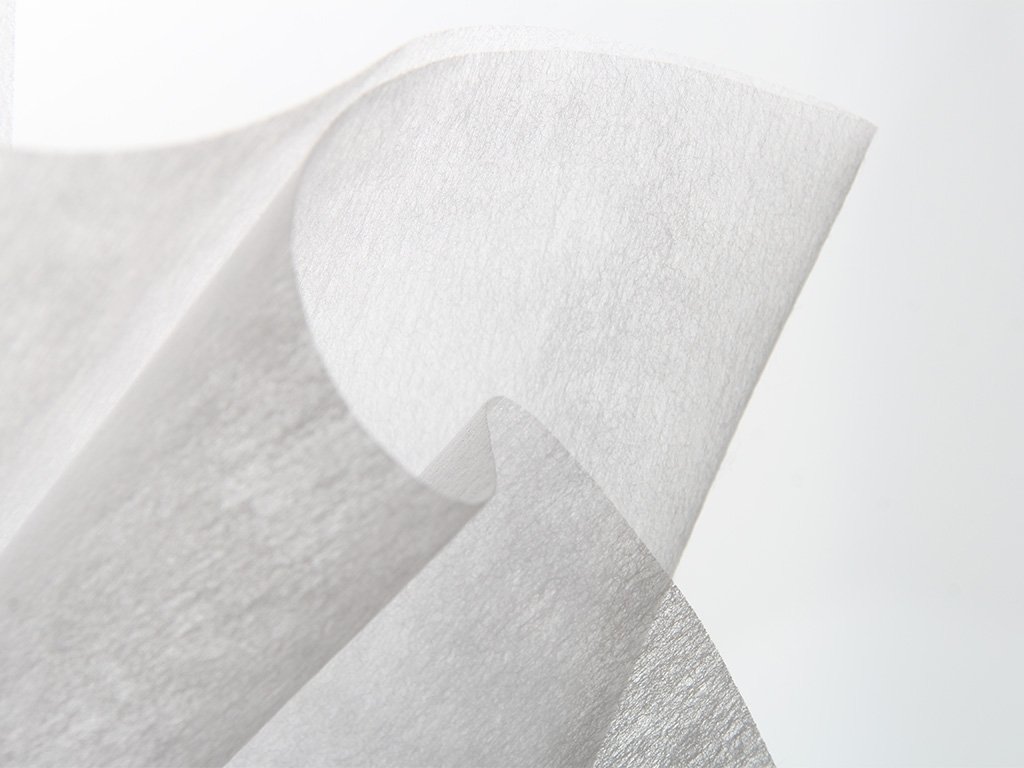
All three are white polyester spunbond, 100 yards per roll, rated to about 80 °C, with good strength when wet, and made in Taiwan.
How Do You Match the Roll Width and Core to Your Filter?
A paper that suits the coolant still has to fit the machine. Check three things before ordering:
- Width. Use the paper width given in the machine manual or on the nameplate, or measure the roll you use now. Paper narrower than the filter bed lets coolant run around the edges without being filtered.
- Core and roll diameter. The core has to fit the roll shaft, and the roll has to fit the holder. Send the core size or a photo of your current roll with your inquiry, and we will check the fit.
- Micron rating. Many filters and papers are specified in microns. LF grades are classified by pore density and filtration grade rather than a micron value, so send the specification or a sample of the paper you use now and we will suggest the matching grade.
| Width | Approx. inches | Grades | Rolls per carton | Paper per carton |
|---|---|---|---|---|
| 50 cm | 19.7 in | LF025, LF035, LF050 | 6 | 600 yd (about 549 m) |
| 70 cm | 27.6 in | LF025, LF035 | 4 | 400 yd (about 366 m) |
| 100 cm | 39.4 in | LF025, LF035, LF050 | 2 | 200 yd (about 183 m) |
Width tolerance is ±1 cm.
How Many Rolls of Coolant Filter Paper Do You Use per Month?
Use your own machine’s records, and start again whenever you change the material you machine, the workload or the paper density. Pick the method that fits your filter:
- Index-count method. If the filter counts indexes or has a set index length: monthly paper length = index length × indexes per day × operating days per month. Average the daily index count over one to two weeks.
- Roll-change log. If you cannot see the index count, write down the date each new roll goes on and work out the average days per roll. Rolls per month = operating days ÷ average days per roll.
- Manual-sheet method. For tanks with hand-laid sheets: monthly length = sheet length × changes per day × operating days.
Then turn the length into an order:
- Rolls per month = monthly length ÷ 100 yd (300 ft, 91.4 m), rounded up.
- Order quantity = monthly rolls + safety stock − rolls on hand, where safety stock = average daily use × (lead time + buffer days). Confirm the lead time with your supplier.
- Cartons = order quantity ÷ rolls per carton (6, 4 or 2 by width), rounded up.
Here is an example with illustrative numbers. A filter with a 50 cm bed indexes 1 ft at a time, 20 times a day, 22 days a month. That is 440 ft a month, or 2 rolls of 300 ft. One carton of six rolls lasts about three months.
| Machine (width, grade) | Index length | Indexes per day | Operating days | Monthly length | Rolls per month |
|---|---|---|---|---|---|
| Your figures |
Work out each machine and width separately, then add them up. Filter paper usually sits alongside the other machine shop consumables a plant restocks each month, so the same log can cover them.
When Should You Change the Paper or Switch to Another Density?
On an automatic filter, the machine decides when to index; your job is to watch how often it indexes and how clean the return coolant looks. On a manual tank, change the sheet when flow slows and the surface is covered in sludge, and note the interval for planning stock.
| What you see | Likely cause | Check first | What to adjust |
|---|---|---|---|
| Indexing more often than usual, rolls running out faster | More workload or solids, a denser paper, a separator upstream not working | Recent workload and materials; magnetic separator and settling tank | Restore the upstream equipment first; if solids have not changed and the paper still loads fast, consider one grade lower |
| Cloudy return coolant, clogged nozzles, scratches on ground parts | Fines passing the paper, a tear, paper not covering the bed | Holes in the paper, paper width against the bed, paper tracking off center | Fix the paper position and width first; if the paper is sound and the coolant stays cloudy, consider one grade higher |
| Tank level rising or overflowing, filter indexing nonstop | Flow above the filter’s capacity, paper too dense, indexing fault | Index motor, float or level switch | Take equipment faults to the machine maker; judge paper density by the two rows above |
| Paper tearing, wrinkling or tracking to one side | Wrong width, roll not mounted straight | Paper width, core seated on the shaft, both ends of the holder aligned | Use the width the machine specifies and align the roll when loading |
Changing density changes both filtration and usage. After a switch, log the index count for one to two weeks and check whether the return coolant is clearer. Keep a spare roll of the same width and grade on hand before the current one runs out.
How Does Filter Paper Affect Coolant Life?
The paper holds chips, fines and sludge on its surface, so fewer solids go back to the machine and nozzles. Solids that return build up as sediment in the tank and block nozzles, which means more frequent tank cleaning and coolant changes.
Coolant condition also depends on concentration, pH, bacteria and tramp oil, so follow your coolant supplier’s guidance and testing for concentration, maintenance and change intervals. Tramp oil is usually lubricating or hydraulic oil leaking from the machine; large amounts need skimming or an oil separator. For leaks around the machine, oil absorbent pads and booms keep the floor clear, and industrial cleaning wipes handle the machine and workpieces.
FAQ
How long is a 100-yard roll of filter paper, and how long does it last?
A 100-yard roll is 300 ft, or about 91.4 m. How long it lasts depends on index length and indexes per day, and it changes with the material, the workload and the paper density. A roll-change log averaged over two or three rolls gives the most reliable figure.
Is a denser, finer filter paper always better?
No. The finer the capture, the slower the coolant passes, the faster the paper loads and the more often the filter indexes, so usage goes up. Choose the lowest density that keeps the return coolant clean, then adjust from your records.
Can CNC machines and grinders use the same filter paper?
Not always. CNC turning and milling mostly produce chips and coarser iron particles, while grinding produces large amounts of fine metal and abrasive dust. Particle size and flow differ, so assess each machine; one plant may run two densities.
What if my filter needs a width other than 50, 70 or 100 cm?
First check whether the manual gives the paper width or the width of the filter bed. LF paper comes in 50, 70 and 100 cm (LF050 in 50 and 100 cm). Send the machine model, bed width, core size and a photo or sample of your current paper, and we will confirm which standard width fits.
Can used filter paper be cleaned and reused?
Paper bed filters are designed to carry used paper and sludge into the collection bin and replace it with fresh paper; we have no test data on cleaning and reusing it. How used paper, sludge and spent fluid are sorted and hauled depends on local rules, so check the requirements where you operate.
LICK coolant filter paper comes in three densities (filtration grades 5, 6 and 7), in polyester spunbond rated to about 80 °C, 100 yards per roll in three widths, made in Taiwan. The grades are tested by SGS for formaldehyde, heavy metals, E. coli and fluorescent whitening agents, and LICK products are made under an ISO 9001-certified quality system.
Choosing coolant filter paper for CNC, grinding, or polishing lines, or stocking it for a distribution business? Tell us your filter model and bed width, the coolant or oil you run, the specification of the paper you use now, and your monthly roll count. We’ll suggest a density grade, send samples, and quote by the carton.