
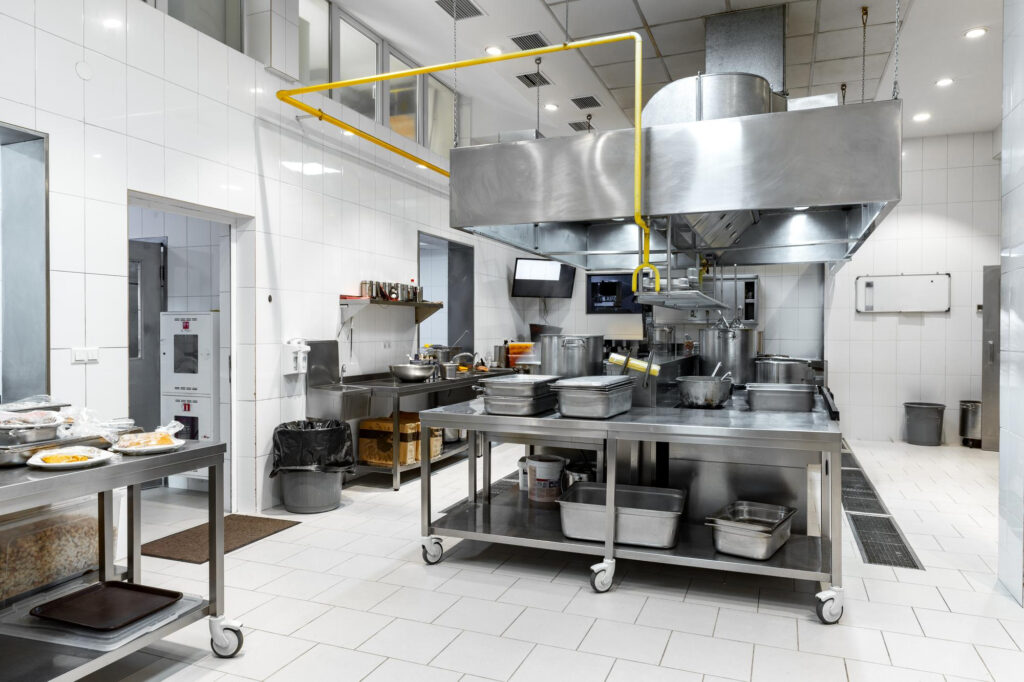
FOG — fats, oils, and grease — is the single biggest maintenance cost a commercial kitchen sends down the drain: it congeals in pipes, fills the grease trap, and turns into pumping fees and, at worst, sewer-code violations. Oil absorbent pads and booms attack the problem before it reaches the drain. Because they are made of oil-only polypropylene — a fiber that soaks up oils while repelling water — they can capture grease from floors, equipment, and even the water surface inside a trap, with LICK pads holding more than 12 times their own weight in oil. This guide covers where absorbents fit in a FOG routine, how to use them in and around a grease trap, and what to check before ordering.
Why Is FOG Worth Managing Before the Drain?
Every liter of grease that never enters the drain is a liter your grease trap doesn’t have to hold. Municipal best-management-practice (BMP) guides converge on the same logic:
- Dry-clean first. Scrape and wipe cookware and spills before any water touches them — washing grease toward the drain just relocates the problem.
- Traps fill on a schedule you pay for. In many U.S. municipalities, outdoor interceptors are pumped on a roughly 90-day cycle and smaller indoor traps cleaned more often (local rules vary) — and visible grease escaping downstream means paying for more frequent service.
- Violations cost more than prevention. Blockages and sewer discharges can mean fines and emergency call-outs that dwarf the cost of absorbents and wipes.
Absorbents are the “capture it now” layer of that strategy: cheap, passive, and always on duty.
Why Are Oil-Only Absorbents Right for Kitchens?
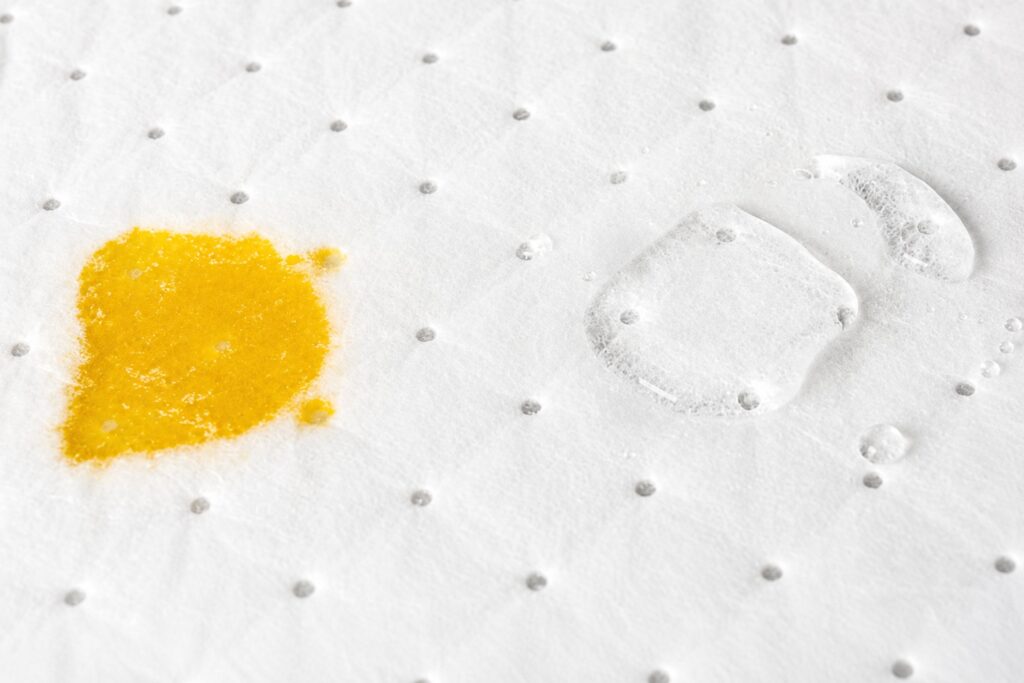
Oil-only polypropylene (PP) absorbents have one property that matters enormously in a kitchen: they are hydrophobic and oleophilic — they reject water and grab oils. In practice:
1. On a wet kitchen floor, an oil-only pad soaks up the cooking-oil spill, not the mop water around it — capacity goes to grease, not to rinse water.
2. On the water surface inside a grease trap, oil-only material floats and selectively absorbs the FOG layer while leaving the water behind.
3. They stay effective in hot, humid back-of-house conditions, and LICK’s series adds acid and alkali resistance for contact with cleaning chemicals.
Universal (grey) absorbents, by contrast, take up water along with oil — fine for mixed-fluid workshops, wasteful around sinks and wash-down zones. For the full pads-vs-socks-vs-booms breakdown, see our oil absorbent selection guide.
Where Do Absorbents Fit in a Kitchen's FOG Routine?
Three positions cover most of the FOG pathway:
| Position | Product format | How it’s used |
|---|---|---|
| Floors & equipment | Oil absorbent pads | Blot fryer-area spills, drips under equipment, and oil transfers before wet mopping — the BMP “absorb before you wash” step |
| Inside the trap / interceptor | Pads or small absorbent booms laid on the water surface | Floats on top, selectively absorbs the floating FOG layer between scheduled cleanings — the “grease trap pillow” concept |
| Outdoor bins & rendering area | Pads and socks around containers | Catches drips at the used-oil container and dumpster pad, where spills otherwise wash into storm drains |
Two practical notes. First, place a sock or boom across the doorway threshold of the rendering/oil-storage area during transfers — containment first, absorption second. Second, keep a stack of pads staged next to the trap lid for pump-out day; service visits are when splashes happen.
How Do You Build This into a Routine?
1. Station the products. Pads at the fry line and dish pit, socks at oil-transfer points, a weekly-change pad or boom in the trap.
2. Assign the swap. Replace the in-trap absorbent on a fixed weekday; replace floor-spill pads immediately after use.
3. Log it. A one-line entry (date, position, pieces used) gives you the consumption data — and shows inspectors an active FOG program.
4. Pair with the right wipes. Surface wiping of counters and equipment is a different job — that’s covered in our guide to industrial cleaning wipes; use wipes for film and residue, absorbents for volume.
5. Dispose correctly. Saturated absorbents follow your used-oil/greasy-waste stream, not general trash — confirm with your waste contractor and local rules.
The food industry solution maps these products across kitchen zones alongside the rest of the disposables program.
What Should You Check Before Ordering?
- Absorbency per piece — LICK oil absorbents hold 12+ times their own weight in oil (actual capacity varies with oil viscosity and temperature); compare per-liter-absorbed cost, not per-carton price.
- Oil-only vs universal — kitchens with wash-down floors almost always want oil-only.
- Format mix — pads for response and trap surface, socks/booms for containment lines and on-water use.
- Chemical resistance — acid- and alkali-resistant PP survives contact with degreasers and sanitizers.
- Packaging quantities — e.g., pads at 100 pcs/carton; match cartons to storage space and monthly burn.
All formats run under the LICK industrial line, made in Taiwan.
FAQ
What’s the difference between a grease trap and a grease interceptor?
Size and location. “Grease trap” usually means the smaller under-sink or indoor unit; “grease interceptor” the larger in-ground outdoor tank. The FOG chemistry — and the way oil-only absorbents skim the floating layer — is the same in both.
Can absorbents replace grease trap pumping?
No. Absorbents reduce the FOG load and keep the floating layer thinner between services, but settled solids and accumulated grease still require scheduled professional cleaning under local regulations. Think of absorbents as lightening the load between services and protecting the drain line, not replacing the service.
What is a “grease trap pillow”?
A pillow- or sock-shaped oil-only absorbent designed to float inside the trap and soak up surface grease — the same polypropylene principle as our pads and booms, packaged for in-trap use. Replace it when saturated (typically on a weekly schedule for busy kitchens).
How often should the in-trap absorbent be changed?
Start weekly, then adjust by what you see: if it saturates in days, your FOG load is high — add upstream dry-wiping; if it lasts weeks, extend the cycle. Always replace before pump-out day so the service starts clean.
Running one kitchen or a chain? Tell us your fryer count, trap setup, and cleaning schedule — we’ll recommend a pad/boom program with carton pricing from the LICK line.