
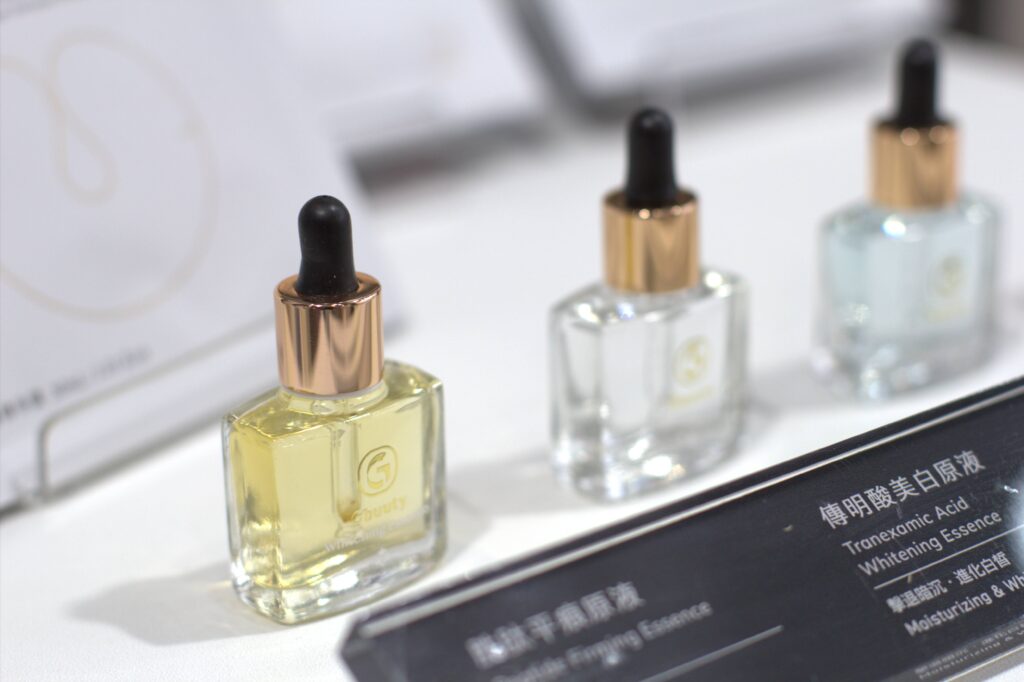
Skincare ODM (original design manufacturing) means the factory supplies the formula and produces the finished product for your brand — you bring the market, the positioning, and the label. It lets you launch a skincare line without a lab of your own — quickly, if you build on a mature formula. But “ODM” actually covers two very different routes: adapting a mature formula the manufacturer has already proven, or commissioning a brand-new formula developed to your brief. They differ in speed, cost, and what you can claim as yours — and choosing between them is the single biggest decision in an ODM project. This guide walks through both routes, formula ownership, the serum question, and how to brief a factory well. (For the wider OEM-vs-ODM decision, start with our OEM vs ODM comparison.)
What Are the Two ODM Routes — and Which Is Faster?
Every serious manufacturer runs an internal formula library: emulsions, essences, cleansers, and mask formulas that have passed stability and microbial testing and often have production history. That library splits ODM into two paths:
- Route 1 — mature formula, adapted. You select a proven base formula; the factory adjusts texture, fragrance, and select actives to fit your positioning. Because the heavy development work is already validated, this is the fastest route to launch — often faster than OEM, since there is no need to transfer and validate an external recipe.
- Route 2 — new formula, custom-developed. You brief a target (skin feel, hero ingredient, claim direction); the factory's R&D formulates from scratch. Every custom formula goes through rounds of sampling, adjustment, and confirmation — which is why this route takes longer than OEM, not shorter. The result is differentiation you specify, at the cost of calendar time.
A practical rule: launch your entry products on Route 1 and reserve Route 2 for the hero SKU where differentiation actually sells — the same portfolio logic covered in our cost and MOQ breakdown, where mature-formula products often carry no development fee at all.
Who Owns the Formula in an ODM Project?
The question brands forget to ask until it matters:
| Route | Typical formula ownership | What that means for you |
|---|---|---|
| Mature formula (adapted) | Stays with the manufacturer | Fast and low-cost, but the base may serve other clients in different markets |
| Custom development | Negotiable — exclusivity terms vary | Exclusivity windows, category carve-outs, or buy-out arrangements can be agreed before development starts |
Neither model is “wrong” — a shared, proven base is precisely why Route 1 is fast and affordable. What matters is knowing which you are buying, and putting exclusivity terms in writing before sampling begins if differentiation is strategic for you. A transparent factory will state its position plainly, so it is worth asking early (more vetting criteria in our guide to choosing a skincare OEM partner).
What About Serum ODM Specifically?
Serums are the category where ODM shines, for structural reasons:
- Actives carry the story. A serum is positioned on its hero ingredient and concentration — both of which can be tuned on a mature base without full redevelopment.
- Small fill, high value. Serums carry premium-tier pricing on a small fill volume, which suits brands testing a premium tier.
- Stability is the hard part. Actives degrade; a manufacturer whose library already holds stabilized delivery systems saves you the failure rounds a from-scratch lab would bill you for.
Brief a serum ODM project with three numbers: target active and percentage range, target texture (watery essence to viscous serum), and target retail price. Those three constraints let the R&D team — at Graminton, the biotechnology development center — shortlist base formulas in the first meeting.
How Do You Brief an ODM Factory Well?
Five inputs turn a vague inquiry into a quotable project:
1. Benchmark products — two or three market references for texture and finish beat any adjective list.
2. Claim direction — hydration, brightening, barrier repair; claims drive both formula and the documentation your market requires.
3. Format and packaging intent — bottle, airless pump, or sheet mask changes the formula’s viscosity and preservation needs; mask projects also engage sheet mask production where cloth and essence are engineered together.
4. Volumes and market — MOQ tiers and regulatory documentation depend on both (cross-border specifics in our Taiwan sourcing guide).
5. Timeline honesty — say the real launch date; the factory will tell you which route can meet it.
With those five, the first response you get back is a feasibility read with route recommendation — not a week of clarifying emails. Scope a project through Graminton’s cosmetics OEM services.
FAQ
Is ODM the same as private label or white label?
No. Private label (white label) means putting your brand on a finished, unmodified stock product. ODM involves formula work — either adapting a mature formula to your spec or developing a new one. Private label is fastest but least differentiated; mature-formula ODM comes next on speed and adds real differentiation, while custom-development ODM trades speed for distinctiveness.
Can I take the formula with me if I change manufacturers?
For adapted mature formulas, normally no — the base belongs to the factory’s library. For custom-developed formulas, portability depends on the terms you negotiated up front. If supplier independence matters to you, raise formula ownership in the very first conversation.
How fast can an ODM product launch?
Route 1 (mature formula) is the fastest development path — sampling and confirmation are the main variables, since the base is already validated. Route 2 adds full development rounds and takes longer than OEM. Exact timelines depend on category and season, so ask per-project rather than trusting generic promises.
If I modify a factory formula heavily, is that OEM or ODM?
Still ODM — the origin of the formula is what defines the model. It becomes OEM when you bring a production-ready recipe of your own and the factory executes it. The boundary matters mostly for ownership and documentation, which is why it’s worth naming the model explicitly in your agreement.
Have a product concept but no formula? Tell us your category, benchmark products, and launch window — we’ll recommend mature-formula options or scope a custom development, with samples to follow.