
Lyocell is a regenerated cellulose fiber spun from wood pulp, and TENCEL™ and VEOCEL™ are brand names for lyocell from one fiber producer. In nonwovens, lyocell is used on its own or blended with plant fiber or polyester. Graminton uses it in four product types: sheet masks, stretchable makeup pads, baby dry wipes and towels, and a household cleaning cloth.
For a brand choosing among them, the starting point is the job. Skin-contact items (masks, pads and baby wipes) are compared on hand feel, basis weight and sheet size; cleaning cloths are compared on surface structure and whether they can be rinsed and reused. The sections below set out the blend, size and weight of each item, how to choose by use, and what to confirm with a supplier before sampling.
Which Nonwoven Products Use Lyocell Fiber?
| Category | Product | Fiber | Size and pack | Basis weight |
|---|---|---|---|---|
| Sheet mask | Lyocell fibers sheet mask | 100% lyocell | Mask sheet | 28 g/m² |
| Sheet mask | Translucent sheet mask | 100% VEOCEL™ lyocell, 8 μm fiber | Mask sheet | 35 g/m² |
| Sheet mask | Smooth sheet mask | 100% VEOCEL™ lyocell | Mask sheet | 35 g/m² |
| Makeup pad | NK8108 stretchable makeup pads | Rayon and lyocell | 10 × 10 cm, 400 pads per pack | 33 g/m² |
| Baby care | MB9203 baby wipes | Plant fiber and lyocell | 20 × 20 cm, 70 sheets per box | 70 g/m² |
| Baby care | MB8207 astronomical pattern baby wipes | Lyocell and plant fiber | 17.5 × 20 cm, 50 sheets per pack | 60 g/m² |
| Baby care | MB8208 baby towels | Plant fiber and lyocell | Set of 4: two 30 × 30 cm, one 30 × 60 cm, one 60 × 120 cm | — |
| Household cleaning | GG8503 deep cleaning cloth | Wood pulp fiber, polyester and lyocell | 30 × 25 cm, 5 cloths per pack | 130 g/m² |
All eight are made in Taiwan. The sheet masks are 100% lyocell; the pads, baby items and cleaning cloth are blends, where lyocell sits alongside other fibers and the share of each depends on the item.
How Does Lyocell Compare With Viscose and Cotton in a Nonwoven?
Lyocell and viscose (rayon) both start from wood pulp, but the fiber is made differently: lyocell is spun from pulp dissolved directly in a solvent that is recovered and reused, while viscose goes through a chemical derivative first. In finished nonwovens the practical differences buyers notice are:
| Lyocell | Viscose (rayon) | Cotton | |
|---|---|---|---|
| Source | Wood pulp, solvent-spun | Wood pulp, viscose process | Cotton plant fiber |
| Strength when wet | Holds strength well when wet | Loses more strength when wet | Holds strength when wet |
| Surface | Smooth, with a slight sheen | Soft, matte | Soft, natural fiber texture |
| Typical nonwoven uses | Sheet masks, premium pads and baby wipes, blends | Wipes, pads, masks, blends | Cotton pads, cotton wipes |
| Relative cost | Higher | Lower | Varies by grade |
Most lyocell nonwovens, including the items above, are spunlace: fibers entangled by high-pressure water jets rather than bonded with adhesive. For how that process works, see what spunlace nonwoven is.
How Should a Brand Choose Lyocell Products by Use?
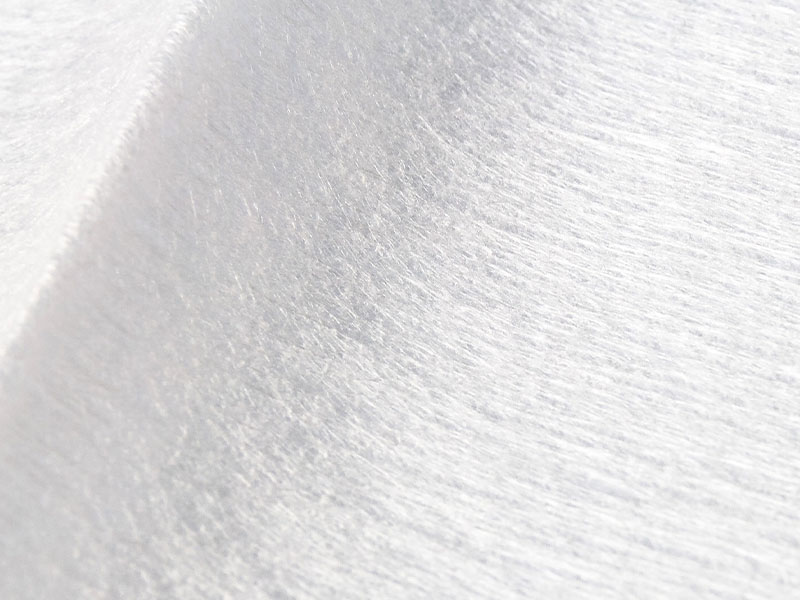
Sheet masks. All three mask substrates are 100% lyocell. The 28 g/m² lyocell fibers sheet is the lightest, with a silky surface that keeps its character when wet. The two 35 g/m² VEOCEL™ sheets are slightly heavier: the translucent sheet uses an 8 μm fiber with a gel-like, see-through look once loaded with essence, and the smooth sheet has a smooth surface that follows the contours of the face. For substrate comparisons beyond lyocell, see our sheet mask materials guide; masks are produced through our sheet mask production line.
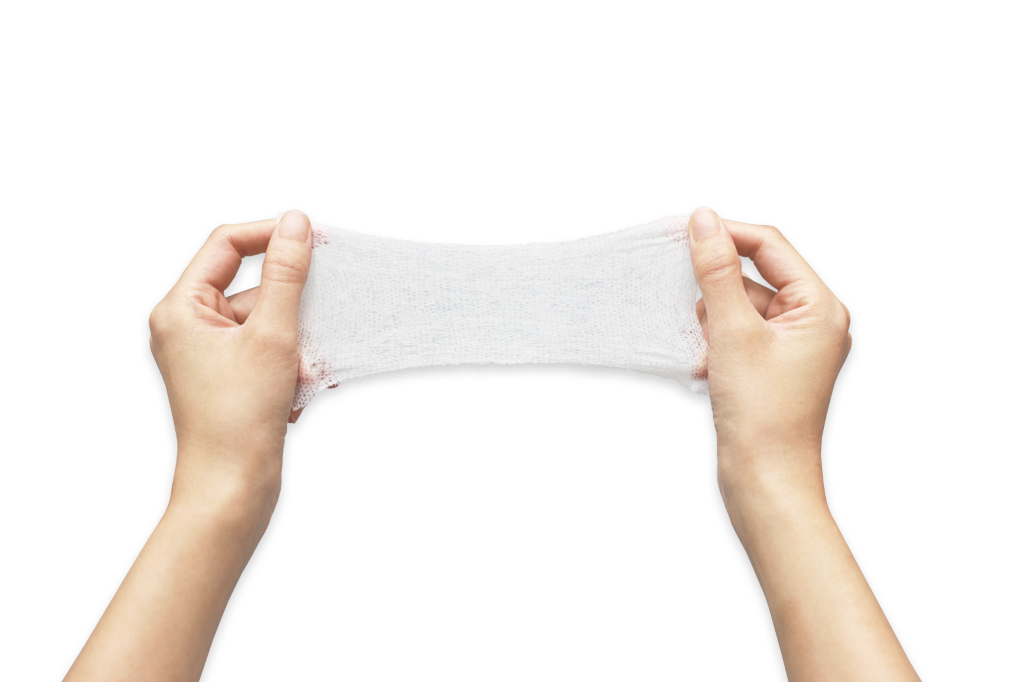
Makeup pads. The NK8108 pad stretches. It is soaked with toner, stretched evenly to size and laid on the face for 3 to 5 minutes, and it also works for cleansing and makeup removal. It suits brands adding a mask-style pad to a toner or skincare line. For the wider pad range, see our guide to salon cotton pads.
Baby dry wipes and towels. The MB9203 is a 20 × 20 cm dry wipe, 70 sheets to a box; the MB8207 has an embossed star pattern; and the MB8208 is a four-piece towel set for after bath time. All three are dry, so they can be used as bibs, drool cloths, bath cloths or diaper-change wipes with water. For a baby wipes program under your own brand, see baby dry wipes OEM.
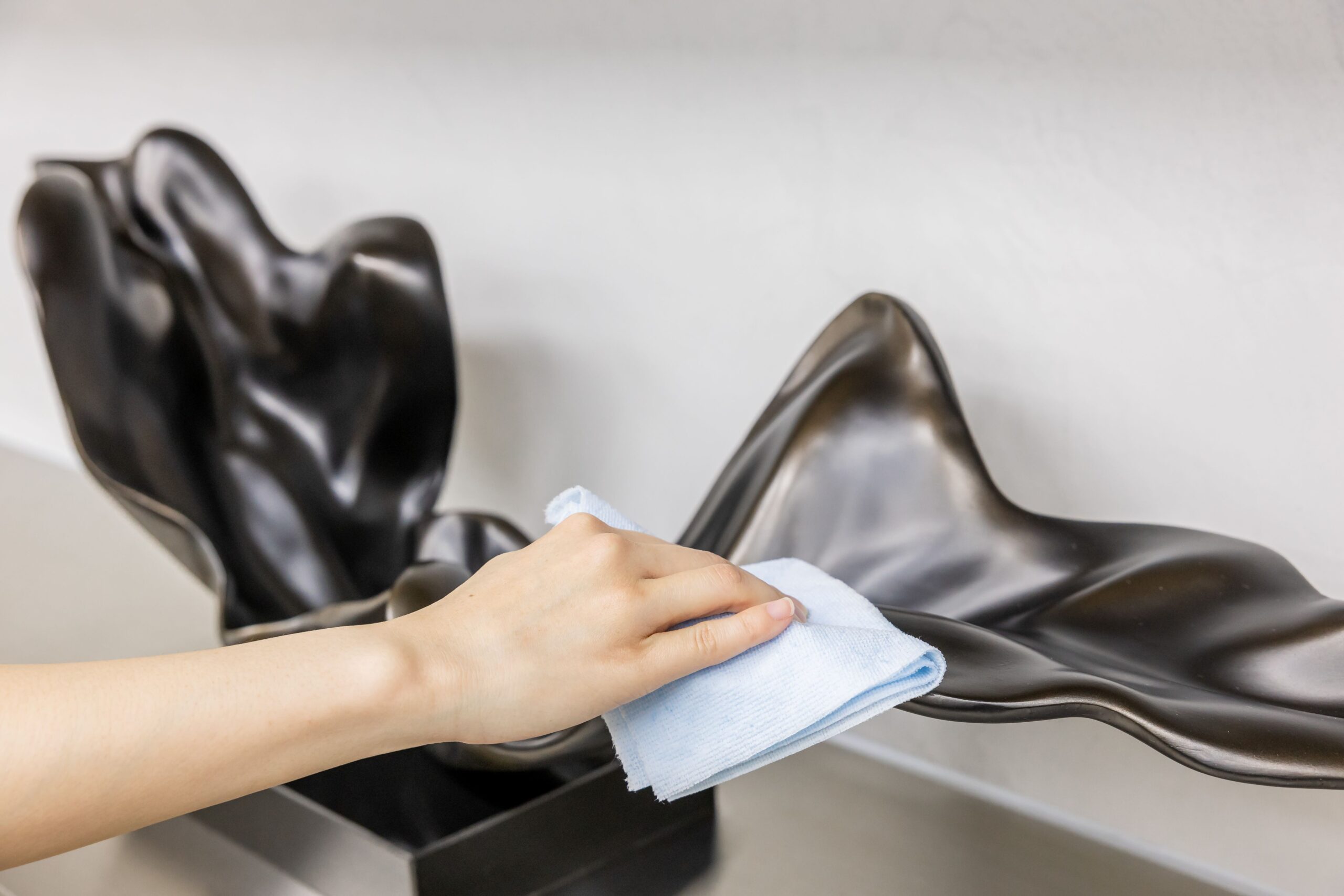
Household cleaning cloths. The GG8503 is a thick 130 g/m² cloth whose texture reaches into gaps and grooves. It works wet or dry, and after use it is rinsed, wrung out and air-dried for the next job, which places it between a disposable wipe and a reusable cloth on a retail shelf.
What Should You Confirm Before Sampling a Lyocell Nonwoven?
A short checklist keeps the first sample round focused:
- Fiber blend. For blended items, ask for the lyocell share in the specification, and keep the claim on your pack consistent with it.
- Basis weight and thickness. Within one use, a different weight changes the hand feel; compare samples side by side. Our guide to nonwoven basis weight explains how GSM affects feel and absorbency.
- Size and count. Match the sheet size and sheets per pack to the channel and how the end user will use it.
- Brand naming. TENCEL™ and VEOCEL™ are trademarks of their fiber producer, and using them on retail packaging generally needs the producer's approval; "lyocell" is the generic fiber name.
- Samples. Request samples and try them the way the product will be used: soaked with essence or toner, or used wet and dry on a surface.
Graminton supplies the items above from Taiwan as stock products, and the sheet masks, NK8108 pads, MB9203 baby wipes and GG8503 cloth can also be developed under your brand, with size, count and packaging confirmed item by item. The skin-contact and household items are SGS-tested for formaldehyde, heavy metals, E. coli and migrating fluorescent agents, and the report for a specific product is available on request. Labeling rules for fiber content vary by market, so check the requirements where you sell.
FAQ
Is TENCEL the same as lyocell?
TENCEL™ is a brand name for lyocell from one fiber producer; lyocell is the generic fiber name. VEOCEL™ is the same producer’s brand for nonwoven uses. Every TENCEL™ lyocell is lyocell, but not every lyocell is TENCEL™.
What is the difference between lyocell and viscose?
Both are regenerated cellulose from wood pulp. Lyocell is spun from pulp dissolved directly in a recovered solvent and holds its strength better when wet; viscose (rayon) uses a different chemical process and usually costs less. Both are common in wipes and pads.
Is lyocell better than cotton for wipes and pads?
It depends on the product. Lyocell gives a smooth, slightly glossy surface and stays strong when wet; cotton gives a natural fiber texture. Many brands choose by hand feel and price point, and blends combine the two.
What basis weights do lyocell sheet masks come in?
The lyocell fibers sheet mask is 28 g/m², and the translucent and smooth VEOCEL™ sheet masks are 35 g/m².
Can a lyocell cleaning cloth be reused?
The GG8503 deep cleaning cloth can be rinsed with water after use, wrung out and air-dried, then used again.
Developing a sheet mask, makeup pad, baby wipe or cleaning cloth with lyocell? Tell us the product type, sheet size, target basis weight and expected volume, and we will reply with samples, specifications and the SGS reports for the items you shortlist.