
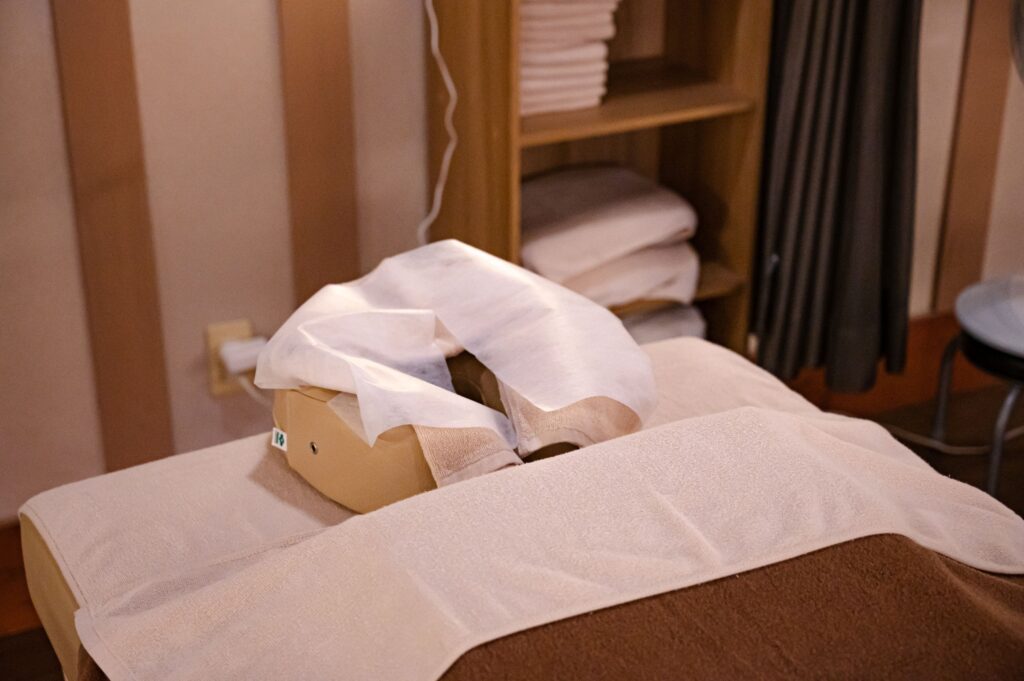
Disposable bed sheets and pillow covers — single-use nonwoven barriers laid over a treatment bed, massage table, or examination couch between clients — are the quiet workhorses of any spa, salon, or clinic. They protect the bed, reassure the next client, and save hours of laundry. This guide breaks down the full range (sheets, pillow and headrest covers, face rest covers, and waterproof options), maps each format to the bed it fits, and covers how to source them for a treatment room, a chain, or a private label.
What Disposable Bed and Table Linens Does a Treatment Room Need?
Most spas and clinics stock four or five related items rather than a single “bed sheet”:
- Flat bed sheets — the base cover for a massage table, facial bed, or exam couch.
- Crosscut (face-hole) sheets — the same sheet with a perforated slit so a face-down client can breathe through the table's face hole without lifting the sheet.
- Pillow and headrest covers — a smaller cover for the pillow or headrest that touches the client's face and hair directly.
- Face rest (face cradle) covers — the small crosscut cover for the massage face cradle itself.
- Waterproof sheets — a PE-backed sheet for treatments involving oils, water, or fluids.
A treatment room usually needs the flat or crosscut sheet plus a pillow or face-rest cover as the minimum; oil-heavy or clinical rooms add the waterproof sheet.
Which Format Fits Which Bed?
Match the item to the bed and the treatment:
| Item | Product | Spec | Best for |
|---|---|---|---|
| Crosscut bed sheet | Bed sheet with crosscut | Polyester nonwoven, 25/30/40 gsm, 80 × 180 cm, 50 pcs/roll | Massage and facial beds — face-down clients breathe through the slit |
| Pillow / headrest cover | Disposable pillow towel | Polyester, 80 × 40 cm, 225 pcs/roll | Massage, salon, spa and hotel pillows and headrests |
| Face rest cover | Face rest cover with crosscut | Crosscut cradle cover | The massage face cradle a client rests their face in |
| Waterproof sheet | Soft waterproof bed sheet | Viscose/polyester with PE film, 80 × 150 cm | Oil massage, waxing, and wet treatments |
| Large treatment sheet | Disposable bed sheet | 140 × 240 cm, breathable | Larger therapy, massage, and clinic beds |
The crosscut detail is the one buyers overlook: for any face-down treatment, a slit sheet is what keeps the barrier intact while the client breathes — a plain sheet gets torn or bunched instead.
Roll, Pre-Cut, or Pack — and Waterproof or Breathable?
Two format decisions shape cost and handling:
1. Roll vs pack. Perforated rolls (tear off one sheet per client) suit high-throughput rooms and keep per-sheet cost low; flat-packed sheets suit lower volumes or when a specific size is needed. Pillow and headrest covers are typically supplied on rolls at high counts.
2. Breathable vs waterproof. A plain polyester nonwoven sheet is light and breathable — right for dry treatments. A PE-film-backed sheet is waterproof for oil massage, waxing, and any wet or clinical work. Many rooms stock both and choose by treatment.
Weight matters too: nonwoven sheets are specified in GSM (for example 25, 30, or 40 gsm), and a heavier sheet feels sturdier and tears less — worth a sample check against your table and treatment.
What GSM Weight Should a Disposable Bed Sheet Be?
Nonwoven bed sheets are specified by basis weight in GSM (grams per square metre) — the number that sets how sturdy the sheet feels and how well it resists tearing. Graminton’s crosscut sheets run in three weights:
| Weight | Feel & durability | Best for |
|---|---|---|
| ~25 gsm (light) | Thin and economical | High-turnover rooms and dry treatments where cost per client leads |
| ~30 gsm (medium) | Balanced strength and comfort | Everyday massage and facial beds — the usual default |
| ~40 gsm (heavy) | Sturdy and tear-resistant | Longer treatments, heavier clients, and a more premium feel |
Two rules of thumb: pick the lightest weight that survives your service without tearing under a client, and remember that weight is separate from waterproofing. For oil, waxing, or any wet or clinical work, a PE-film-backed sheet — a waterproof draw sheet laid over the bed — protects the mattress regardless of GSM, so a room doing wet treatments usually stocks a breathable sheet for dry work plus a PE-backed sheet for the rest.
What Specs Should Professional Buyers Check?
1. Fit to your bed. Confirm the sheet covers your specific table or couch with margin; 80 × 180 cm suits most massage and facial beds, while larger therapy or clinic beds need a bigger sheet.
2. Weight and durability. Check the GSM and, ideally, test a sample under a real client — the sheet must not tear during positioning or bunch under body weight.
3. Crosscut placement. For face-down work, verify the face-hole slit lines up with your table’s face hole.
4. Waterproofing where needed. For oil or wet treatments, a PE-backed sheet protects the bed; for dry work, breathable is more comfortable.
5. Barrier, not sterile. Disposable bed linens are single-use sanitary barriers for hygiene and reassurance, not sterile medical devices; treat any clinical or sterilization requirement as a separate, verified spec.
How Should Spas, Salons, and Clinics Purchase?
For professional buyers the calculation is per-client cost and basket consolidation:
- Price per client, not per roll — divide the roll or carton price by the number of sheets to get the real cost per treatment, then compare against the labor and linen cost of laundering reusable sheets.
- Consolidate the room — bed sheets, pillow covers, and face rest covers ship alongside the rest of your disposables; our salon & spa disposables guide covers the full basket, and the same range serves spa and salon, massage, and clinic and care settings.
- Private label — for chains and distributors, sheets and covers take your brand on proven specs under the NIKITA professional line, with minimums usually driven by printed packaging.
FAQ
What is the crosscut (face hole) on a bed sheet for?
It is a perforated slit that lines up with the face hole in a massage or facial table, so a client lying face-down can breathe through the sheet without you lifting or tearing it. For any prone treatment, a crosscut sheet is the one to stock.
Waterproof or breathable — which should we buy?
Both, usually. Breathable polyester sheets are lighter and more comfortable for dry treatments; PE-backed waterproof sheets protect the bed during oil massage, waxing, and wet or clinical work. Stock each for its use.
What GSM should a disposable massage table sheet be?
Around 30 gsm is the everyday default — sturdy enough for a normal service without over-paying. Drop to about 25 gsm for high-turnover, cost-led rooms, and step up to about 40 gsm for longer treatments or heavier clients. Weight is separate from waterproofing: for wet or oil work, add a PE-backed sheet rather than a heavier one.
Do disposable sheets really replace laundered linen?
For per-client hygiene and labor, yes — a fresh single-use sheet per client removes the wash-dry-fold cycle and the reused-linen question. Many rooms keep a few cloth sheets for presentation and use disposables for turnover.
Are these sheets sterile?
No — they are single-use sanitary barriers, not sterile medical products. They keep the bed clean and reassure the next client; any sterile requirement is a separate specification.
What do MOQs look like for private label?
Product-side minimums are modest for stock specs; printed private-label packaging usually sets the floor. Ask for the breakdown per component for the specific SKU.
Sourcing disposable bed sheets and covers for a spa, clinic chain, or your own brand? Tell us your bed sizes and volumes — we’ll send samples, roll pricing, and private-label options.