
Screen printing cleaning works best when each station gets its own wipe. Ink and oil on screens, squeegees, flood bars and press frames call for a durable meltblown wipe: the LICK L7207 on a perforated roll for busy fixed stations, or the L8138 quarterfold for scattered stations with no tearing needed. PCB, LCD and other areas with a cleanliness requirement call for a soft spunlace wipe such as LGK3, whose product page lists screen printing machines, or LGK5.
This guide is for specialty print shops working on glass, acrylic, electronic components, PCBs, film, aluminum and tile, and for the distributors who supply them. It covers a station-by-station table, how to wipe glass and acrylic, using wipes with press wash and solvents, and how to turn station use into cartons.
Which Wipe Fits Each Station in a Screen Printing Shop?
Different stations in a print shop deal with different dirt and different surfaces. A single shop can match wipes station by station rather than using one wipe everywhere.
| Station | What gets wiped | Suggested wipe | Format |
|---|---|---|---|
| Screen, frame, squeegee and flood bar (on press) | Ink left on the mesh edge, frame, squeegee and flood bar at color changes and at the end of a run | L7207 | 32 × 25 cm, 640 sheets per perforated roll |
| Heat transfer station | Ink and oil on jigs and the work surface | L7207 or L8138 | Roll or single sheets |
| Press frame and machine upkeep | Ink and heavy oil on press parts | L7207 | Perforated roll for high-use stations |
| Glass, acrylic and electronic-component print lines | Work tables, jigs and the areas around the parts | L8138 | 30 × 23 cm, 30 per pack, quarterfolded |
| PCB, LCD and clean production areas | Equipment and work surfaces with a cleanliness requirement | LGK3 or LGK5 | 25 × 20 cm, 100 per pack (LGK3) |
Stations outside the print room, such as assembly, maintenance or food lines, are covered in our guide to industrial wipers by industry.
Which Wipe Handles Screen, Squeegee and Press Cleanup: Roll or Quarterfold?
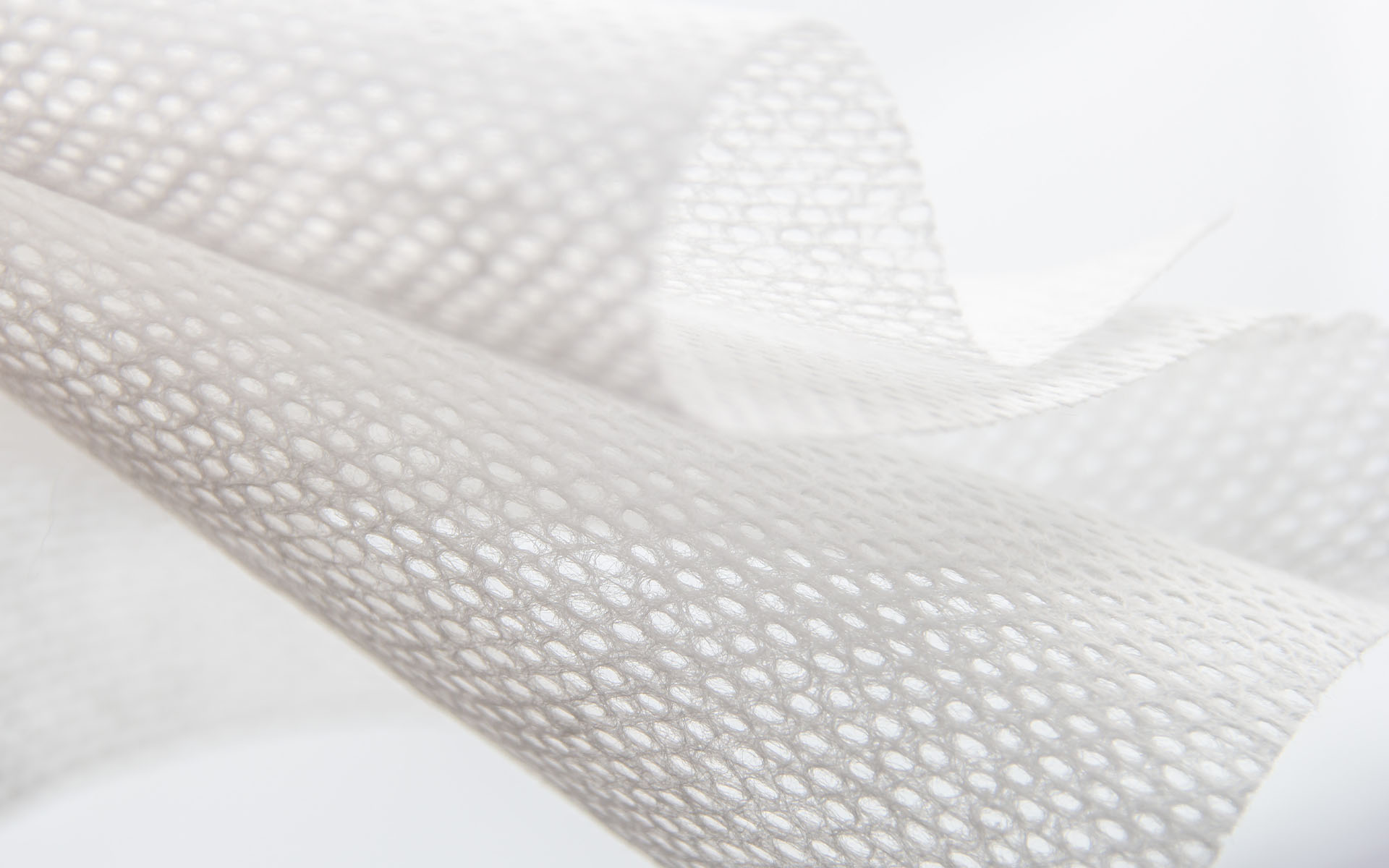
The L7207 and L8138 are the same material, a polyester meltblown nonwoven at 73 GSM and 0.8 mm thick. The difference is how they dispense.
| L7207 power cleaning cloths | L8138 quarterfold power cleaning cloths | |
|---|---|---|
| Sheet size | 32 × 25 cm | 30 × 23 cm |
| Pack and carton | 640 sheets per perforated roll, 2 rolls per carton | 30 sheets per pack, 24 packs per carton |
| How it dispenses | Tear along the perforation | Single sheets, folded in four, no tearing |
| Best for | Fixed stations with high use | Scattered stations and carts |
The product pages describe both as super durable and low lint, acid- and base-resistant, and suited to use with solvents and alcohol. The L7207 page notes that it absorbs printing ink and machine oil.
A typical press-side cleanup runs like this:
- Card the excess ink off the screen, squeegee and flood bar back into the ink container with a scoop card or spatula before any wiping.
- Tear one L7207 sheet off the roll, or take one L8138 sheet from the pack, and wipe the remaining ink off the squeegee blade and the flood bar, working from one end to the other.
- For ink left on the mesh at a color change, apply the shop’s press wash to a fresh wipe rather than straight onto the screen, and wipe the image area from both sides of the screen.
- Follow with a dry wipe to lift the loosened ink and the leftover wash.
- Put used wipes in the closed waste container the shop uses for ink- and solvent-soaked waste.
Reclaiming a screen, removing emulsion and ghost images, is a separate chemical and washout process. The wipes cover press-side ink cleanup and color changes.

How Should Glass, Acrylic and Other Print Substrates Be Wiped?
The L7207 and L8138 product pages list printing and glass cleaning and LCD panel assembly among their uses, and the L8138 page names PCB printing and lens wiping. Within those uses, each substrate has its own points to watch:
- Acrylic, glass and coated surfaces. These scratch easily, so test one wipe on an inconspicuous area first. For a softer surface, look at LGK3, whose product page says it is soft and won't cause surface scratches easily, or LGK5, listed as won't leave scratches.
- Resistors, capacitors and other electronic components. On general production lines, the L8138 works well because single sheets are easy to count out. Areas with a cleanliness requirement are covered in the next section.
- Film, aluminum panels and tile. For ink and heavy oil, use the L7207 or L8138; for large continuous work, the roll keeps sheets close at hand.
Inks, solvents and cleanliness needs vary from shop to shop even on the same substrate, so trial samples at your own stations before standardizing.
Which Wipe Goes in PCB, LCD and Clean Production Areas?
Where the print area has a cleanliness requirement, a spunlace cleanroom wipe takes over from the meltblown cloths. The LGK3 cleanroom wipes product page describes cleanroom and screen printing cleaning, and lists screen printing machines, cleanroom areas and LCD-related manufacturing areas. The LGK5 cleanroom wipes are listed for clean rooms and semiconductor-related manufacturing areas.
| LGK3 | LGK5 | |
|---|---|---|
| Texture | Mesh | Plain |
| Material | Polyester spunlace, 40 GSM | Plant fiber and polyester spunlace, 65 GSM |
| Size | 25 × 20 cm | 23 × 23 cm |
| Pack and carton | 100 per pack, 30 packs per carton | 300 per pack, 10 packs per carton |
| Listed features | Low lint, absorbent and soft; works with solvents | Low lint, absorbent and soft; won’t leave scratches |
Both product pages list low lint among their SGS test items, alongside formaldehyde, heavy metals, E. coli and migrating fluorescent agents. Which wipe suits which grade of clean area is covered in our guide to cleanroom wipe classes.
How Do You Use Wipes With Press Wash, Alcohol and Solvents?
The product pages state what each wipe is built for. The L7207 and L8138 are acid- and base-resistant and suited to use with solvents and alcohol, and they can be used with alcohol or organic solvents to clean dirt. The LGK3 works well with solvents and is listed as acid-, base- and solvent-resistant.
Before a new wipe goes on the line, test it with the press wash or solvent you actually use. Wet one sheet, wipe a typical surface, and check whether the sheet fuzzes, tears or leaves marks.
Let presses that have just stopped and heat transfer jigs cool before wiping them, and keep wipes away from open flame, as the product precautions note. How solvents and solvent-soaked wipes are stored and disposed of depends on local rules and each chemical’s SDS, so check the requirements where you operate.
How Many Wipes Does Each Station Use, and How Do You Order?
Work out monthly use from what each station actually takes:
- Monthly sheets = sheets per station per shift (average over a few shifts) × number of stations × shifts per day × working days per month
- Cartons = monthly sheets ÷ sheets per carton, rounded up, plus safety stock
| Wipe | Sheets per carton |
|---|---|
| L7207 | 1,280 (640 per roll × 2 rolls) |
| L8138 | 720 (30 per pack × 24 packs) |
| LGK3 | 3,000 (100 per pack × 30 packs) |
| LGK5 | 3,000 (300 per pack × 10 packs) |
As an example with assumed numbers: four press stations each using 20 L7207 sheets per shift, on two shifts a day and 22 working days a month, use 3,520 sheets a month, or 3 cartons. For comparing wipes beyond the price per sheet, see the cost per use of industrial cleaning wipes.
FAQ
Are screen printing wipes the same as shop towels?
The names overlap in practice: screen printing wipes, press wipes and shop towels can all mean the cloth used at the press. The L7207 and L8138 are single-use meltblown wipes; how they compare with launderable shop towels and rags is covered in industrial wipes vs shop rags.
Are the L7207 and L8138 made of the same material?
Yes. Both are polyester meltblown at 73 GSM and 0.8 mm. The L7207 comes on a perforated roll and the L8138 as single quarterfolded sheets.
Can these wipes clean emulsion off a screen?
That is not their job. Removing emulsion and ghost images takes dedicated reclaim chemicals and a washout. The wipes are for press-side ink cleanup, color changes, squeegees and press upkeep.
Are these wipes lint-free?
We describe them as low lint, and the LGK3 and LGK5 list low lint among their SGS test items. For how those labels compare, see lint-free vs low-lint wipes.
Can a distributor get these wipes under its own brand?
Private label applies to the L7207 and L8138, with options such as sheet size, fold, roll length and packaging; printed packaging sets the minimum order. The LGK3 and LGK5 are supplied in their standard packs.
Supplying a screen printing or specialty print shop, or distributing to them? Tell us your stations, the inks and press wash you use, and your monthly usage. We will match L7207, L8138, LGK3 or LGK5 to each station and send samples, SGS reports and a quote.