
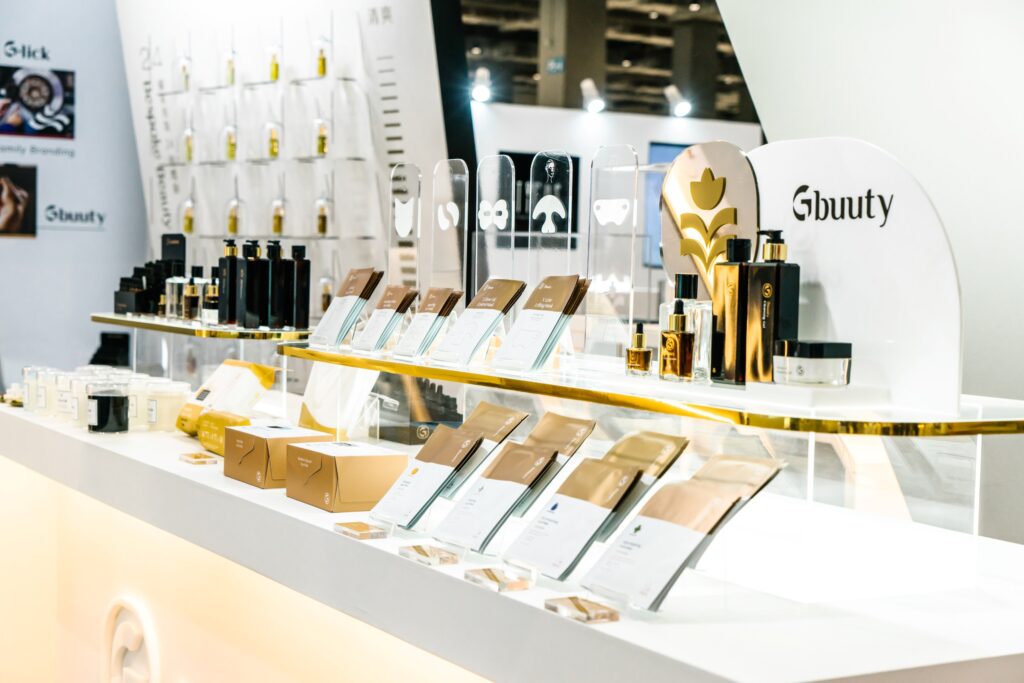
Sourcing skincare OEM from Taiwan means partnering with a contract manufacturer that produces your formulas — or, on the ODM route, develops them for you — across sheet masks, facial care, and body care, while your brand keeps ownership of the market, the label, and the customer. For European and UK brands in particular, Taiwan has become a serious alternative to domestic and Korean suppliers: strong materials science, export-oriented documentation, and manufacturers used to working across time zones. This guide covers what a cross-border OEM project looks like in practice — from first brief to compliant products on EU shelves — and what to look for in any factory you shortlist. For the private label route, where a stock formula launches under your brand, see our private label skincare manufacturer guide.
Why Source Skincare OEM from Taiwan?
Four practical reasons keep international brands coming back to Taiwanese suppliers:
- Materials advantage. Taiwan is a global center for nonwoven and functional materials — the substrates behind sheet masks. A manufacturer like Graminton runs dedicated sheet mask production on top of its own material R&D, which means mask cloth, formula, and folding are engineered together rather than assembled from three vendors.
- Formulation depth across OEM and ODM. Taiwanese factories routinely work both OEM (you bring the formula) and ODM. On the ODM side there are two speeds: adapting a mature, proven formula from the factory's library is the fastest route to launch, while commissioning a brand-new formula takes longer than OEM because every custom development goes through rounds of sampling and confirmation. A capable partner — such as Graminton's biotechnology development center — will tell you honestly which route fits your timeline.
- Export documentation culture. Exporting is the default, not the exception: ingredient disclosures, stability and microbial test data, and certificates arrive as a matter of routine.
- Brand-owner empathy. Factories that run their own consumer lines understand retail requirements. Graminton's Gbuuty mask brand is produced on the same lines offered to OEM clients — the products are the portfolio.
How Does a Cross-Border OEM Project Actually Run?
A typical Taiwan OEM project for an overseas brand moves through six stages:
1. Brief and NDA. You share product concept, target market, benchmark products, and volumes; the factory confirms feasibility and signs confidentiality terms.
2. Route decision. OEM with your formula, ODM from a mature formula, or new development — each with different timelines and costs. Our OEM vs ODM comparison walks through the choice.
3. Sampling rounds. Formula samples ship internationally for your evaluation; expect several iterations for texture, scent, and packaging fit.
4. Regulatory preparation. While samples finalize, the factory compiles the documentation your market requires (see the next section) so compliance doesn’t start after production.
5. Pilot and mass production. Confirmed formula and artwork go to a pilot run, then full production with batch QC.
6. Shipping and re-orders. Sea freight for volume, air for launches; a good partner holds your formula file and specs so re-orders start from confirmation, not from scratch.
The full logic of choosing between these engagement models — and how factories structure quotes — is covered in our guide on how to choose a skincare OEM partner.
Who Handles EU and UK Compliance in an OEM Project?
This is the question European buyers ask first, and the division of labor is clear:
| Requirement | Who is responsible | What the factory provides |
|---|---|---|
| Responsible Person (EU) | The EU importer by default — often your brand itself — or an EU-established person it mandates in writing (e.g. a compliance firm) | Full formula disclosure, test data for the Product Information File (PIF) |
| CPNP notification (EU) | The Responsible Person | Product and formulation details the RP needs to file |
| Safety assessment (CPSR) | Ensured by the RP (often commissioned via the brand) | Stability, microbial (challenge) test, and ingredient documentation |
| Great Britain market (post-Brexit) | A UK-established Responsible Person and SCPN notification (Northern Ireland follows EU rules: EU/NI-based RP, CPNP) | The same core formula and test data, adapted into a GB PIF kept in English |
| Labeling compliance | The Responsible Person, working with the brand | Ingredient lists (INCI), PAO/expiry data |
The pattern: market compliance sits with your Responsible Person — usually your importing entity; the manufacturer supplies the evidence. Full formula disclosure to your Responsible Person, plus stability and microbial data, is what the CPSR stage runs on — worth settling before you fall in love with a sample.
What Documents Should Your Taiwan OEM Factory Provide?
The document set belongs in the first serious conversation, not after sampling:
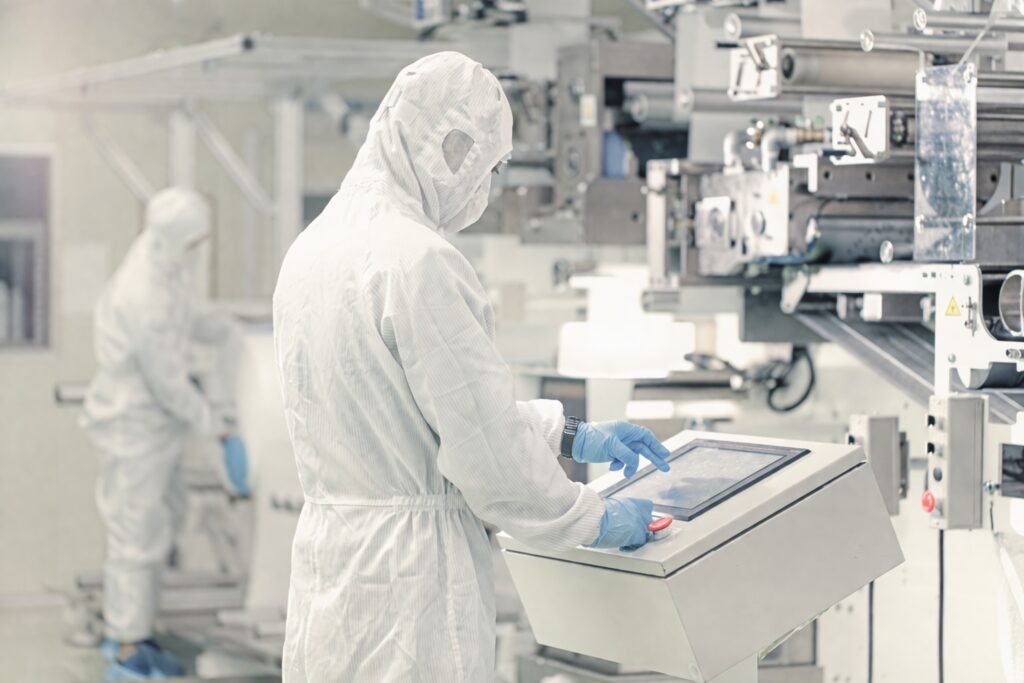
1. GMP documentation — Graminton’s cosmetics manufacturing is ISO 22716-certified; with any shortlisted factory, how the quality system is audited is worth understanding. The full framework is on our quality standards page.
2. Full ingredient disclosure (INCI) — non-negotiable for EU/UK compliance; apart from fragrance compositions (documented by name, code number, and supplier), a “confidential blend” doesn’t survive a PIF.
3. Stability and compatibility testing — formula shelf-life and packaging interaction data.
4. Microbial testing — including challenge test results for water-based products.
5. Certificates of analysis — per-batch, so every production run is traceable.
6. Material origin files — for sheet masks, the cloth matters as much as the essence: fiber type, weight, and source.
What Makes a Long-Term OEM Partnership Work?
Brands searching for an OEM skincare supplier for long-term partnership — not just a first order — should weight three things over unit price:
- Communication cadence. Overlapping working hours, a named project contact, and English documentation as standard. Taiwan's time zone gives European brands a same-day loop: questions sent in the European morning are answered by the factory's end of day.
- Formula stewardship. Your specs, artwork, and formula files kept under version control, so year-three re-orders match year-one quality.
- Capacity honesty. A partner who tells you a new development will take longer than OEM — rather than promising everything is fast — is the one whose timelines you can build launch plans on.
Graminton works with international brands across sheet masks, facial care, and body care through its cosmetics OEM services; the cosmetics OEM solution overview shows how projects are scoped by product category.
FAQ
Can a Taiwanese manufacturer act as our EU Responsible Person?
No — the Responsible Person must be established inside the EU (for Great Britain, a UK-established RP; Northern Ireland follows the EU rules). By default the importer is the RP; it can instead mandate a distributor or a specialist compliance firm in writing. The manufacturer’s job is to supply the formula disclosure and test data your RP needs for the PIF and CPNP/SCPN notifications.
Do Taiwan skincare OEM factories also make body care?
Many do, and body care lines (lotions, washes, creams) are commonly quoted alongside facial care in the same project. Scope your full range in the first brief — sharing packaging formats and filling lines across products usually improves MOQs and pricing.
How does Taiwan compare with Korea for skincare OEM?
Korean suppliers are strong on trend-driven finished formats; Taiwan’s edge is materials — especially mask substrates — plus flexible engagement models and documentation-heavy export practice. Many international brands use both; for sheet masks specifically, being close to the cloth source is a structural advantage.
What MOQ should an international brand expect?
It varies by product and customization depth — formula, packaging, and printed components each carry their own minimums, and packaging is often the binding one. Ask for an MOQ breakdown per component in your first quote rather than a single number. Our cosmetic OEM cost & MOQ guide explains each component’s minimums.
Building a skincare line in Europe, the UK, or beyond? Tell us your product concept, target market, and timeline — we’ll come back with a feasibility read, engagement options, and sample arrangements.